


Journaling can feel like a natural companion for introverts. It offers something many quiet, reflective people value deeply: space. Space to slow down, notice what you are feeling, process your thoughts without interruption, and return to yourself after a noisy or demanding day.
That is one reason the best journals for introverts are not always the flashiest or most complicated ones. Often, the most helpful journal is simply the one that meets you where you are. Some people want thoughtful prompts for emotional processing. Others want a gentle mindfulness journal to help them feel grounded. Some are looking for a self-reflection journal that encourages self-awareness, while others want a personal growth journal that supports meaningful change over time.
In this guide, we will look at different types of journals that can genuinely support introverts, quiet thinkers, and anyone who feels restored by reflection. Rather than treating journaling like a productivity challenge, this article approaches it as a supportive practice that can help you feel clearer, calmer, and more connected to yourself.
Disclosure: As an Amazon Associate we earn from qualifying purchases. This post may contain affiliate links, which means we may earn a small commission at no extra cost to you.
Why Journaling Feels Natural for Many Introverts
Introverts are often described as thoughtful, inwardly aware, and sensitive to the emotional tone of their environment. Of course, every introvert is different, but many find that writing gives them a peaceful way to process what they do not always want to say out loud.
That is part of what makes introvert journaling so meaningful. A journal can become a quiet place where you do not have to perform, explain yourself too quickly, or sort through your thoughts in real time with someone else. You can pause. Rewind. Explore. Sit with a feeling a little longer.
Journaling can be helpful for introverts in several ways:
It creates privacy for honest thoughts
Many introverts process best in solitude. Writing allows for honesty without pressure. You can explore emotions, questions, frustrations, hopes, and small observations without worrying about being judged or misunderstood.
It supports emotional processing
Sometimes the hardest part of being overwhelmed is not just the feeling itself, but the fact that it stays tangled inside. A journal can help untangle it. Writing down what happened, how it affected you, and what you need next can bring relief and clarity.
It encourages self-discovery
A good journal can help you notice patterns in your mood, energy, relationships, and habits. Over time, that awareness can become deeply valuable. You may begin to understand what drains you, what restores you, and what matters most to you.
It offers calm without needing much
Unlike many self-care practices, journaling does not require much setup. A few minutes, a quiet corner, and a page can be enough. That simplicity makes it easier to return to, especially during stressful seasons.
For many introverts, journaling is not just about recording life. It is about making sense of it gently.
What to Look for in the Best Journals for Introverts
Not every journal feels the same. Some are structured and prompt-based. Others are open and flexible. Some focus on gratitude or mindfulness, while others guide you through deeper reflection. The best journals for introverts usually share one thing: they support inner life without making it feel forced.
Here are a few things to consider when choosing one.
A gentle tone
If a journal feels too intense, too cheerful, or too demanding, it may be hard to stick with. Many introverts respond better to journals that feel calm, thoughtful, and nonjudgmental. A gentle tone can make writing feel safer and more natural.
The right amount of structure
Some people like a blank notebook, but others feel more comfortable with prompts. If you often stare at a page and do not know where to begin, guided journals for introverts can be especially helpful. They offer direction without taking away your freedom.
At the same time, too much structure can feel restrictive. Think about whether you want a journal that guides you closely or simply gives you a soft starting point.
Room for emotional honesty
A good journal should make space for your real thoughts, not just polished ones. That matters especially if you want to use journaling for emotional processing, boundary reflection, or self-understanding. Look for journals that welcome complexity rather than pushing positivity too hard.
A focus that matches your current needs
The journal that supports you best will depend on what season you are in. You might want:
- a self-reflection journal for understanding your thoughts
- a mindfulness journal for calm and presence
- a gratitude journal for noticing what is steady and good
- a personal growth journal for goals and inner change
- a guided journal for emotional support and self-discovery
Matching the journal to your current emotional needs often matters more than finding the “perfect” one.
A design that feels inviting
This may seem small, but it matters. If the journal feels pleasant to hold, easy to write in, and visually calming, you may be more likely to use it. Introverts are often sensitive to atmosphere, and even the design of a journal can influence whether it feels comforting or distracting.
Below are a few journals that may suit different reflective needs.
Top Picks at a Glance


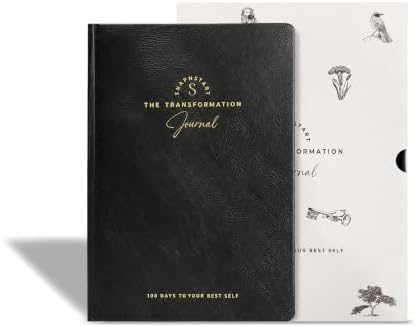
Best Guided Journals for Introverts
For many people, guided journals are easier to begin with than blank notebooks. Prompts can remove the pressure of figuring out what to write and offer gentle support when your mind feels busy, tired, or emotionally crowded.
The best guided journals for introverts often focus on depth rather than performance. They help you ask meaningful questions, notice your emotional patterns, and reflect without rushing.
Prompt-based journals for emotional processing
These journals are especially helpful when you are carrying emotions you have not fully sorted out yet. They may include prompts such as:
- What am I feeling today beneath the surface?
- What has been weighing on me lately?
- What do I need more of right now?
- What am I trying to protect my energy from?
This type of journal can be a quiet support during stressful seasons, relationship tension, burnout, or major life changes. It helps move feelings from a vague internal heaviness into something clearer and more manageable.
Good guided journals often help with:
- emotional clarity
- self-awareness
- starting a regular journaling habit
- making reflection feel less intimidating
Recommended Guided Journals for Introverts
INSIDE THEN OUT Better Every Day Journal This guided journal uses 365 pre-dated prompts, making it a structured but still approachable option for daily reflection. Its format blends self-love, gratitude, mindfulness, healing, and personal growth, so it feels more like a gentle daily check-in than a journal that expects long or perfect entries.
That kind of low-pressure structure may suit introverts who want help putting feelings into words without staring at a blank page. Because the prompts touch on reflection, discovery, and wellness, it can also be a supportive choice for quiet thinkers who want space for emotional processing and steady self-understanding. Explore this journal on Amazon
Manifestation Journal – 52-Week Undated Guided Law of Attraction Journal This journal has a guided but flexible format, with prompts, a habit tracker, vision board space, goal-setting pages, and reflection tools spread across an undated 52-week structure. Because it is undated, it offers helpful consistency without the pressure of needing to keep up perfectly every single day.
For quiet thinkers, that balance can feel especially supportive. It provides enough structure to make reflection easier, while still leaving room for personal pace, deeper thought, and gentle self-discovery without feeling overly rigid or boxed in. Explore this journal on Amazon
Guided Journal for Self Reflection This journal supports reflective daily writing through 180 undated prompts centered on mindfulness, gratitude, and personal growth. That kind of structure can make it easier to process emotions gently, notice recurring thoughts, and build a more regular habit of checking in with yourself.
It may also be a helpful choice for self-discovery, especially if you want a calm space to explore your feelings, values, and inner patterns without pressure. Because the prompts are already there, it can make journaling feel more approachable on days when you want reflection but do not know where to begin. Explore this journal on Amazon
Best Self-Reflection Journals for Quiet Thinkers
A self-reflection journal can be especially meaningful for introverts because it gives depth to the thoughts that often stay unspoken. Instead of letting your insights disappear into the busyness of daily life, reflection journaling gives them somewhere to land.
The best self-reflection journals are not just about documenting what happened. They help you understand what it meant to you.
Journals for making sense of your inner world
Some journals are built around deeper reflective questions that help you explore your emotions, reactions, and habits. This can be useful if you often find yourself replaying conversations, thinking about your choices, or trying to understand why certain situations affect you so strongly.
A reflective journaling practice can help with:
- identifying emotional triggers
- noticing recurring patterns
- understanding your social energy
- recognizing values and boundaries
- building self-trust
For introverts, this kind of journal can feel like a quiet conversation with yourself.
Open-ended journals for thoughtful writing
Some quiet thinkers prefer less structure and more freedom. A lightly guided or blank self-reflection journal can work well if you like to write in full paragraphs, explore ideas deeply, or return to the same question from different angles.
This style is often helpful for:
- end-of-day reflection
- processing social experiences
- clarifying difficult decisions
- exploring identity and purpose
- writing through seasons of change
Recommended Self-Reflection Journals
Let’s Get Real Guided Journal for Self Reflection & Personal Growth This journal is lightly guided to deeply reflective, depending on how much you want to explore each prompt. With 240 writing prompts plus gratitude and mindfulness sections, it offers enough structure to help you begin, while still leaving plenty of room for honest, open-ended reflection.
That balance may suit introverts who enjoy deeper self-exploration and quiet writing time. It can be especially helpful for those who want a journal that gently leads them inward without feeling too rigid, making it easier to explore thoughts, emotions, and personal growth at a slower, more thoughtful pace. Explore this journal on Amazon
BestSelf 13-Week Self Journal & Goal Planner This journal offers a more structured writing experience, combining daily prompts, planning pages, gratitude, reflection, and habit tracking within an undated 13-week format. It may fit readers who like having a clear framework to follow, especially those who feel more comfortable reflecting when there is a steady routine and practical structure in place.
Because it includes both reflective and planning elements, it can support processing thoughts while also helping bring more inner clarity to daily life. It may also be useful for noticing patterns in social energy, personal limits, and routines, which can make it easier to reflect on boundaries and what feels sustainable over time. Explore this journal on Amazon
6-Minute Diary This journal may feel especially supportive for thoughtful readers because it keeps reflection simple, gentle, and manageable. Its prompt-based format offers a quiet way to practice gratitude, self-awareness, and mindfulness without asking for long entries or a large time commitment.
That can be helpful if you want space to check in with yourself but do not want journaling to feel like another task to keep up with. For introverts and quiet thinkers, the short daily structure may create a steadier, lower-pressure rhythm that still leaves room for meaningful reflection over time. Explore this journal on Amazon
Best Mindfulness Journals for Daily Calm
A mindfulness journal can be a beautiful choice for introverts who want more calm, presence, and emotional steadiness in everyday life. Rather than focusing only on goals or self-improvement, mindfulness journaling encourages you to notice what is happening right now.
That can be deeply grounding, especially if you often feel mentally overstimulated.
Journals that encourage presence
Mindfulness journals often include prompts that bring attention to the present moment. Instead of asking you to solve everything, they invite you to observe.
Common themes include:
- what you are feeling right now
- what your body may be telling you
- what you are grateful for today
- what helped you feel calm
- what you want to release
This kind of journaling can help slow the mind, soften anxious thinking, and gently reconnect you to the moment you are in.
Gratitude journals with a quiet, realistic tone
Gratitude journaling can be helpful, but only if it feels sincere. Some journals push forced positivity, which may not feel comforting when life is difficult. A more grounded gratitude journal is often a better fit for introverts and reflective people.
Instead of asking you to pretend everything is fine, it helps you notice small steadiness in ordinary life. A warm drink. A peaceful morning. A person who listened. A moment of rest.
Recommended Mindfulness Journals
FINDING BALANCE Mental Health Journal This journal appears to focus on emotional check-ins, mindfulness, self-care, and healing, making it feel more centered on calm awareness than on performance or productivity. Its daily prompt-based format may help create a gentle rhythm for noticing feelings, slowing down, and making space for small moments of presence.
That may suit introverts who need a softer daily reset, especially during emotionally heavy or overstimulating seasons. Instead of asking for long writing sessions, it seems designed to support quiet reflection in a way that feels steady, comforting, and easier to return to each day. Explore this journal on Amazon
Mental Health & Anxiety Journal This journal feels designed to be gentle and approachable, with a mix of mood tracking, guided reflection, and calming elements like coloring pages and a dream diary. That combination may make the experience feel less intense and more supportive, especially for readers who want emotional check-ins to feel softer and easier to return to.
It may also work well for short daily entries and low-pressure consistency, since mood tracking and guided prompts can help you reflect without needing to write a lot each time. For introverts or quiet thinkers who want a steady but manageable journaling rhythm, that kind of simplicity can feel reassuring. Explore this journal on Amazon
Switch Research Self-Love Journal This journal may support calm and grounding by offering guided prompts around self-care, mindfulness, gratitude, and self-reflection. In overstimulating seasons, that kind of structure can help create small pauses in the day where you can slow down, check in with yourself, and reconnect with what you are feeling beneath the surface.
It may also encourage small moments of awareness by making reflection feel more accessible and intentional, rather than overwhelming. For introverts and quiet thinkers, that can be especially helpful when life feels mentally crowded and a gentle writing practice offers a steadier sense of balance. Explore this journal on Amazon
Best Personal Growth Journals for Introverts
A personal growth journal can be helpful when you want journaling to support not only reflection, but also gentle change. For introverts, growth often looks less like loud transformation and more like quiet alignment. It may mean becoming more honest about your needs, more confident in your voice, or more intentional with your energy.
The best personal growth journals respect that process.
Journals that support meaningful goals
Some growth journals focus on habits, goals, and progress. These can be helpful if you want to make changes in your routines, mindset, work life, or emotional habits without approaching growth in a harsh or rigid way.
Look for journals that encourage questions like:
- What matters most to me right now?
- What kind of life am I trying to build?
- What small step feels realistic this week?
- What supports my growth without exhausting me?
Journals for confidence and self-trust
Personal growth is not always about doing more. Sometimes it is about trusting yourself more deeply. Journals that support self-esteem, self-respect, and inner confidence can be especially valuable for quiet people who have spent time feeling overlooked or misunderstood.
This kind of journaling can be quietly powerful because it reinforces that growth does not require becoming a different person. It often means becoming more fully yourself.
Recommended Personal Growth Journals
100-Day Guided Journal with Prompts This journal appears to focus on personal growth, daily reflection, mental wellness, and steady long-term change through a structured 100-day format. That kind of setup can be helpful for building supportive habits, strengthening self-awareness, and encouraging progress that feels intentional rather than rushed.
For introverts who want to grow in a grounded, sustainable way, this type of journal may feel especially reassuring. It offers a clear path for reflection and personal development while still allowing space for quiet thought, emotional honesty, and gradual change at a pace that feels manageable. Explore this journal on Amazon
The Growth Guided Journal This journal seems to lean reflective, encouraging, and gently structured, with a strong focus on self-discovery, healing, self-love, and personal growth. Its daily prompts may help make deeper reflection feel more approachable, especially for readers who want support and direction without feeling rushed or overwhelmed.
It may benefit introvert readers who enjoy thoughtful inner work and want journaling to feel like a steady, supportive practice rather than a productivity task. This kind of journal may be especially meaningful for those who are processing emotions, rebuilding self-trust, or simply wanting a calmer space to grow at their own pace. Explore this journal on Amazon
The Personal Growth Journal: 75 Templates to Thrive This journal may be a thoughtful choice for readers who want personal development to feel steady, realistic, and supportive rather than overwhelming. With 75 templates to work through, it seems designed to encourage progress in a way that feels practical and manageable, giving you space to reflect, reset, and keep moving forward at your own pace.
For introverts and quiet thinkers, that kind of gentle structure can help build self-trust over time. Instead of pushing dramatic change, it may support a more grounded kind of growth—one shaped by honest reflection, small steps, and a deeper understanding of what truly feels right for you. Explore this journal on Amazon
How to Choose the Right Journal for Your Needs
There is no single best journal for every introvert. The right one depends on what you need from the practice right now. That is why choosing with self-awareness matters more than choosing based on trends or appearance alone.
Here are a few gentle ways to decide.
Choose based on your current emotional season
Ask yourself what kind of support you need most at the moment.
If you feel emotionally overwhelmed, you may benefit from a guided journal for emotional processing. If you feel disconnected from yourself, a self-reflection journal may help. If life feels overstimulating, a mindfulness journal may offer calm. If you are moving into a new chapter, a personal growth journal may feel supportive.
You do not need to choose a journal for the person you think you should be. Choose one for the person you are right now.
Notice how much structure feels helpful
Some people love prompts. Others prefer blank pages. Neither is better. The goal is simply to find what helps you show up honestly.
If you are new to introvert journaling, prompts can make it easier to begin. If you already enjoy writing freely, an open journal may feel more natural.
Keep the practice realistic
You do not need to write every day for journaling to matter. A few thoughtful entries a week can still be deeply supportive. Try to choose a journal that fits your actual energy and schedule, not an idealized version of your routine.
It may also help to release the idea that journaling has to look profound all the time. Some days it may be a page of insight. Other days it may simply be a few lines that help you breathe.
Final Thoughts
The best journals for introverts are the ones that create room for quiet honesty, thoughtful reflection, and personal care. Whether you are drawn to guided journals for introverts, a calming mindfulness journal, a deeper self-reflection journal, or a steady personal growth journal, the goal is not to journal perfectly. It is to give yourself a place to land.
For introverts, writing can be more than a habit. It can be a form of restoration. A way to process emotions, notice what matters, and reconnect with yourself in a world that often feels loud and fast.
You do not need a complicated system to begin. You just need a journal that feels supportive, a little space to breathe, and permission to write what is true.
Over time, those quiet pages can hold a surprising amount of clarity, comfort, and growth.


